
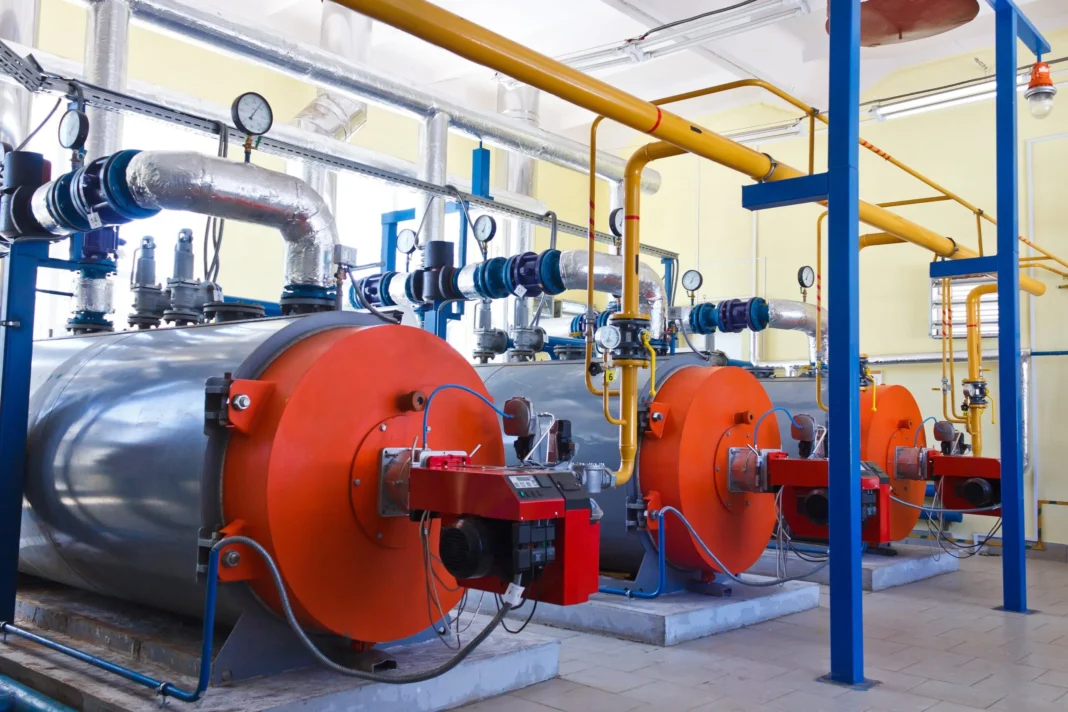

Industrial manufacturing depends on reliable energy systems to maintain production efficiency, product quality, and operational continuity. From textile processing and food production to pharmaceuticals and chemical manufacturing, steam plays an essential role in numerous industrial applications. As production requirements increase, businesses are focusing on modern boiler technologies that deliver consistent steam generation while controlling energy consumption.
Selecting the right boiler system is therefore an important investment decision. Industries must consider steam capacity, fuel availability, operating pressure, maintenance requirements, and thermal efficiency to achieve long-term operational benefits.
For businesses looking to upgrade their thermal infrastructure, working with experienced boiler manufacturers in Chennai can help identify suitable boiler configurations based on specific industrial requirements and production objectives.
Understanding the Role of Industrial Boilers in Manufacturing
Industrial boilers generate steam by transferring heat energy to water. The generated steam is used for heating, drying, sterilization, cooking, cleaning, and various manufacturing processes.
Different industries have different steam requirements. For instance, textile facilities use steam for dyeing and fabric finishing, while pharmaceutical companies require controlled steam for sterilization and processing. Food manufacturing units depend on steam for cooking, pasteurization, and cleaning operations.
An appropriately designed boiler ensures a stable steam supply and supports uninterrupted manufacturing activities. Modern systems also incorporate automated controls, efficient burners, improved insulation, and heat recovery equipment to optimize overall performance.
Different Types of Industrial Boilers
Understanding different boiler configurations helps businesses select equipment that matches their operational requirements.
1. Fire Tube Boilers
Fire tube boilers allow hot combustion gases to pass through tubes surrounded by water. These boilers are commonly used in facilities requiring moderate steam capacity and operating pressure.
Their relatively simple construction makes them suitable for several industrial heating applications.
2. Water Tube Boilers
In water-tube boilers, water circulates through tubes while hot combustion gases flow around them. These systems are suitable for applications requiring higher steam capacities and operating pressures.
They are widely used in large manufacturing facilities and process industries.
3. Biomass Boilers
Biomass boilers use organic materials such as wood chips, agricultural residues, and biomass pellets as fuel. They provide an alternative energy option for industries with access to suitable biomass resources.
4. Waste Heat Recovery Boilers
Waste heat recovery boilers capture thermal energy from industrial exhaust gases and use it to generate steam. These systems help businesses utilize heat that would otherwise be released into the atmosphere.
They are particularly beneficial in energy-intensive manufacturing processes where high-temperature exhaust streams are available.
Key Factors to Consider When Selecting an Industrial Boiler
Choosing an industrial boiler involves evaluating technical requirements and long-term operating costs.
Steam Generation Capacity: The boiler should meet the facility’s average and peak steam demand without unnecessary oversizing.
Operating Pressure: The required pressure and temperature should match the needs of the industrial process.
Fuel Availability: Businesses should evaluate the availability, cost, and suitability of fuels such as natural gas, coal, biomass, and furnace oil.
Maintenance Requirements: Easy access to components, availability of spare parts, and technical support contribute to long-term equipment reliability.
Safety Standards: Appropriate pressure protection systems, instrumentation, inspection procedures, and water treatment are essential for safe operation.
Why Industrial Boiler Efficiency Is Important
Fuel consumption represents a significant portion of the operating expenses associated with industrial steam generation. Improving boiler performance can therefore help businesses control production costs and use energy more effectively.
Several factors influence boiler efficiency, including combustion quality, excess air levels, exhaust gas temperature, insulation, feedwater conditions, and operating practices.
Businesses can improve industrial boiler efficiency by implementing practical measures such as regular burner tuning, maintaining proper air-to-fuel ratios, cleaning heat transfer surfaces, and monitoring flue gas temperatures.
Installing economizers can also improve thermal performance by using waste heat from exhaust gases to preheat boiler feedwater. Similarly, effective insulation reduces heat losses from boiler surfaces and steam distribution systems.
Regular monitoring and preventive maintenance help identify performance issues before they result in excessive fuel consumption or unexpected equipment downtime.
Practical Ways to Reduce Industrial Boiler Fuel Consumption
Industries can adopt several strategies to improve fuel utilisation without compromising production requirements.
1. Optimize Combustion
Maintaining the correct air-to-fuel ratio supports efficient combustion. Excess air increases heat losses through exhaust gases, while insufficient air can result in incomplete combustion.
2. Install Economizers
Economizers recover heat from boiler exhaust gases and transfer it to incoming feedwater. This reduces the energy required to generate steam.
3. Maintain Steam Distribution Systems
Steam leaks, damaged insulation, and inefficient condensate return systems can increase energy losses. Regular inspections help minimize these problems.
4. Implement Regular Boiler Maintenance
Cleaning heat transfer surfaces, inspecting burners, checking safety devices, and maintaining proper water chemistry help preserve boiler performance.
5. Monitor Energy Consumption
Tracking fuel consumption against steam output helps businesses identify efficiency variations and evaluate the effectiveness of operational improvements.
Industries That Benefit from Efficient Boiler Systems
Modern industrial boilers support several sectors with specialized thermal requirements.
- Textile Manufacturing: Steam is used in dyeing, washing, drying, and fabric finishing.
- Food and Beverage: Boiler systems support cooking, pasteurization, sterilization, and cleaning.
- Pharmaceuticals: Steam is essential for controlled heating and sterilization applications.
- Chemical Processing: Steam supports distillation, heating, and other process operations.
- Paper and Pulp: Thermal energy is required for pulping, drying, and paper manufacturing.
Each industry requires a boiler system designed around its production processes, steam demand, and operating conditions.
Conclusion
Modern industrial boiler technologies are helping manufacturing businesses improve production reliability and manage energy consumption more effectively. However, achieving better performance requires selecting the right equipment, maintaining optimal operating conditions, and regularly monitoring fuel utilization.
By investing in appropriately designed boiler systems and adopting energy-saving practices, industries can reduce avoidable operating expenses, improve thermal performance, and support long-term manufacturing efficiency. A well-planned boiler installation is not simply an equipment investment but an important part of building a reliable and energy-conscious industrial operation.