
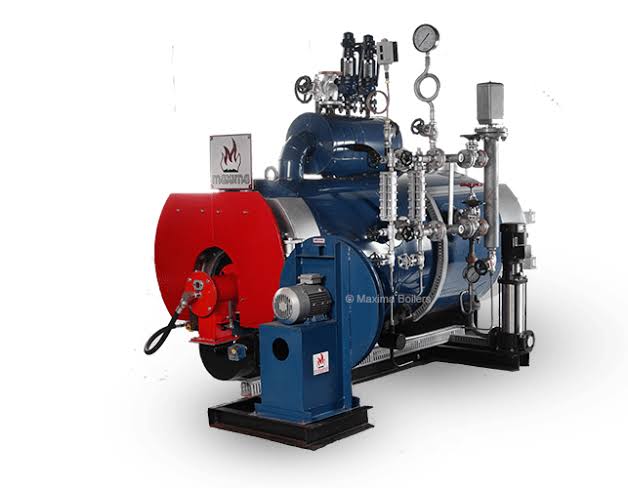

Industrial boilers are an essential part of modern manufacturing infrastructure. From generating steam for food processing to supporting chemical reactions and textile production, boilers provide the thermal energy required for a wide range of industrial operations. As businesses expand their production capabilities, selecting an appropriate boiler system becomes increasingly important for maintaining efficiency, controlling operating costs, and ensuring uninterrupted manufacturing.
India’s growing industrial sector has created demand for reliable steam generation and process heating solutions. Businesses must therefore evaluate boiler technology, fuel requirements, manufacturing quality, and long-term operational performance before investing in new equipment.
When researching boiler manufacturers in India, industries should look beyond the initial equipment cost and consider engineering expertise, product quality, customization capabilities, and after-sales support.
Understanding the Role of Industrial Boilers
An industrial boiler is a pressurized system designed to heat water and generate steam or hot water for industrial applications. The generated steam transfers thermal energy to different production processes and can also be used for power generation.
Industrial boilers are commonly used in:
- Food and Beverage: Cooking, pasteurization, sterilization, and cleaning.
- Pharmaceuticals: Equipment sterilization and controlled heating processes.
- Textiles: Fabric dyeing, washing, drying, and finishing.
- Chemical Manufacturing: Distillation, chemical reactions, and process heating.
- Paper and Pulp: Pulp processing, drying, and paper manufacturing.
- Sugar Industries: Juice heating, evaporation, and other production operations.
Each industry has different steam requirements, making it important to select a boiler that matches the specific application.
Different Types of Industrial Boilers Used in Manufacturing
Industrial boilers are available in several configurations depending on steam capacity, operating pressure, fuel type, and production requirements.
1. Fire Tube Boilers
Fire tube boilers operate by allowing hot combustion gases to pass through tubes surrounded by water. Heat transfers from the gases to the water, producing steam.
These boilers are commonly used in small and medium-sized industrial facilities that require moderate steam capacity and pressure.
2. Water Tube Boilers
Water tube boilers circulate water through tubes while hot combustion gases flow around them. They are suitable for applications requiring higher steam generation capacities and operating pressures.
These systems are frequently used in large manufacturing facilities and energy-intensive industries.
3. Biomass-Fired Boilers
Biomass boilers utilize organic fuels such as agricultural residues, wood chips, and biomass pellets. They provide an alternative to conventional fossil fuels for industries with access to suitable biomass resources.
4. Oil and Gas-Fired Boilers
These boilers use liquid or gaseous fuels to generate steam. They are suitable for facilities where consistent fuel availability, automated operation, and controlled combustion are important considerations.
5. Waste Heat Recovery Boilers
Waste heat recovery boilers capture thermal energy from industrial exhaust gases and convert it into useful steam. They help improve overall energy utilization in facilities with suitable high-temperature waste heat sources.
Important Factors to Consider Before Purchasing an Industrial Boiler
Choosing the right boiler requires a detailed assessment of the facility’s production requirements and operating conditions.
Steam Capacity and Pressure
The boiler should provide sufficient steam to meet both average and peak production requirements. Businesses should evaluate hourly steam demand, operating pressure, and temperature before selecting equipment.
Fuel Availability and Consumption
Fuel selection has a direct impact on operating expenses. Natural gas, coal, biomass, and furnace oil are among the commonly considered options. Businesses should evaluate fuel availability, transportation costs, combustion characteristics, and environmental requirements.
Energy Efficiency
An efficient boiler reduces unnecessary fuel consumption and improves thermal energy utilization. Economizers, effective insulation, advanced burners, and automated combustion controls can contribute to improved performance.
Manufacturing Quality and Safety
Boilers operate under pressure and require appropriate engineering, quality assurance, inspection, and safety systems. Buyers should evaluate manufacturing standards, applicable Indian Boiler Regulations (IBR) requirements, pressure protection devices, and documentation.
Installation and Maintenance Support
Proper installation and commissioning are essential for reliable operation. Businesses should also consider maintenance accessibility, spare parts availability, technical assistance, and long-term service support.
How Modern Boiler Technology Improves Industrial Productivity
Industrial boiler technology continues to evolve with improvements in automation, combustion management, and thermal efficiency.
Modern boiler systems can incorporate digital monitoring solutions that track operating pressure, temperature, fuel consumption, and steam generation. These systems help operators identify performance variations and respond to operational issues.
Heat recovery equipment can capture energy from exhaust gases and reuse it for feedwater preheating. Similarly, improved insulation and condensate recovery systems help reduce energy losses across the steam network.
Regular boiler inspections, water treatment, burner maintenance, and performance monitoring are equally important for maintaining consistent operation.
Why Manufacturer Selection Matters for Long-Term Performance
The manufacturer plays an important role in determining the reliability, efficiency, and suitability of an industrial boiler. A properly engineered system should be designed around the customer’s actual production requirements rather than a standard configuration that may not suit the application.
Businesses should evaluate the manufacturer’s experience in industrial boiler engineering, manufacturing capabilities, quality control procedures, product range, and technical support.
It is also beneficial to work with manufacturers that understand different industrial applications and can recommend appropriate boiler configurations based on steam demand, fuel availability, operating pressure, and plant infrastructure.
A reliable engineering partner can support equipment selection, system integration, installation planning, and maintenance requirements.
Conclusion
Selecting an industrial boiler is a long-term investment that directly influences manufacturing efficiency, energy consumption, and production reliability. Businesses should carefully evaluate boiler capacity, fuel requirements, thermal efficiency, safety standards, and maintenance support before making a purchasing decision.
Working with experienced industrial boiler manufacturers in India can help businesses identify suitable thermal engineering solutions that align with their operational requirements.
By investing in the right boiler technology and maintaining it through regular inspections and preventive maintenance, industries can improve productivity, optimize energy utilization, and establish a dependable foundation for long-term manufacturing growth.