
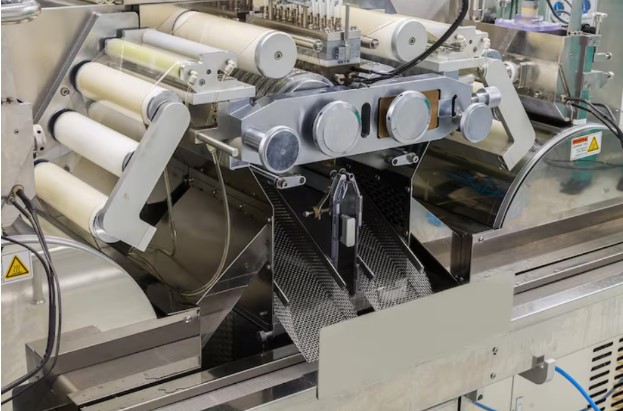

In the textile industry, selecting the right machinery is a critical step in ensuring smooth production, high-quality output, and cost efficiency. Whether you are starting a new textile business or upgrading an existing facility, understanding your production requirements and the capabilities of textile machinery is essential. The right choice can improve efficiency, reduce downtime, and maximize the return on investment.
Assessing Your Production Requirements
Before investing in textile machinery, it is important to carefully assess your production requirements. Consider the type of fabric you will produce, the volume of production, and the desired quality standards. Different machines are designed for specific textile processes, such as spinning, weaving, knitting, or finishing. By identifying your needs clearly, you can narrow down the machinery options that align with your production goals.
Understanding Machine Capabilities
Textile machinery comes with various capabilities, speeds, and features. Some machines are fully automated, while others require manual operation or semi-automatic processes. Understanding the technical specifications, such as production speed, energy consumption, and maintenance requirements, is crucial. Choosing machinery that meets both current and future production demands will help ensure long-term efficiency and prevent frequent upgrades.
Evaluating Energy Efficiency and Cost
Energy consumption is a major factor in textile production costs. Modern textile machinery often includes energy-saving technologies that reduce electricity usage without compromising performance. While initial investment costs are important, it is equally essential to consider operational expenses. Machines with lower energy consumption and fewer maintenance needs can save significant money over time, making them a more sustainable choice.
Checking Machine Quality and Reliability
The durability and reliability of textile machinery play a key role in production continuity. Investing in high-quality machinery from reputable manufacturers can minimize breakdowns and maintenance interruptions. It is advisable to review customer feedback, machine performance history, and warranty options before making a purchase. Reliable machinery ensures consistent output and reduces the risk of production delays.
Considering After-Sales Support
Textile machinery requires regular maintenance and occasional repairs to operate efficiently. Choosing a manufacturer or supplier with strong after-sales support is essential. Access to technical assistance, spare parts, and service programs can help keep your production line running smoothly. After-sales support also includes training for operators, which ensures that your team can use the machinery safely and efficiently.
Balancing Technology and Workforce Skills
Modern textile machinery often incorporates advanced technology, including automation, computer-controlled systems, and precision engineering. While these features enhance productivity, it is important to ensure your workforce has the skills to operate and maintain the equipment. Investing in training programs alongside machinery procurement can help your team adapt to new technologies and improve overall production performance.
Planning for Scalability
Your business may grow over time, requiring increased production capacity or additional processes. Selecting textile machinery that allows for scalability ensures that your production can expand without major overhauls. Machines that can handle different fabric types or adjust to new production techniques provide flexibility and protect your investment in the long run.
Conclusion
Choosing the right textile machinery for your production needs involves careful consideration of production goals, machine capabilities, energy efficiency, and workforce skills. By focusing on quality, reliability, and after-sales support, you can ensure consistent output and long-term efficiency. Planning for scalability and evaluating operational costs will help you make a wise investment that supports growth and enhances the overall success of your textile business. Making informed decisions about textile machinery today can lead to smoother production, better quality products, and higher profitability tomorrow.