
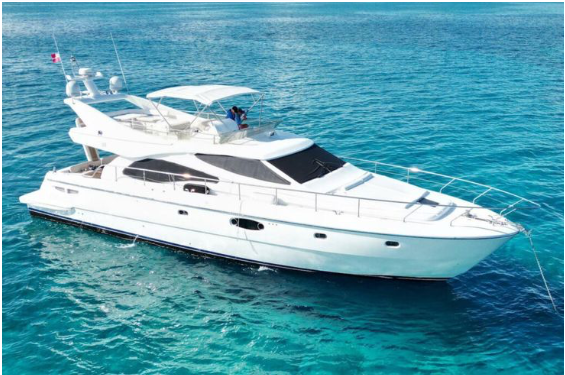

Owning a boat can be a thrilling experience. The open water offers freedom and adventure. But it also comes with risks. Accidents, weather damage, and theft are real concerns. Many boat owners overlook the importance of protecting their vessel. This is where understanding boat insurance becomes essential. Proper coverage ensures peace of mind and financial safety on the water.
Understanding Boat Insurance Coverage
Boat insurance is a policy designed to protect your vessel from financial losses. It covers damages caused by accidents, natural events, and liability claims. Knowing the different coverage types is key. Collision coverage handles repairs after accidents. Comprehensive coverage protects against theft, fire, or storm damage. Liability coverage addresses injuries or damages caused to others. Choosing the right combination depends on your vessel type, usage, and location. Boat insurance should match your lifestyle and risk level.
Evaluating Risks Specific To Your Vessel
Every boat faces unique risks based on size, type, and usage. Smaller boats may be more vulnerable to theft. Larger vessels might encounter higher repair costs after accidents. Coastal boats face harsh weather and saltwater exposure. Inland water vessels might experience fewer storms but higher accident risks in busy waterways. Assessing these factors helps determine the necessary level of boat insurance. Proper evaluation prevents underinsurance and ensures that your vessel is adequately protected.
Comparing Policies And Providers For Boat Insurance
Not all insurance policies are created equal. Costs, coverage limits, and exclusions vary widely. It’s important to compare different providers and read the fine print. Some policies include towing, salvage, or personal property coverage. Others may exclude high-risk activities like racing. Working with a reputable provider ensures reliability when you need it most. Modern boat insurance should be flexible enough to cover unexpected situations and meet your budget.
Considering Liability And Personal Protection
Liability is a major aspect of boat ownership. Accidents on the water can result in serious injuries or property damage. Adequate liability coverage is crucial for protection against lawsuits. Some policies also offer medical payments coverage for passengers. Personal protection safeguards not only your vessel but also your financial stability. Choosing the right liability limits is an important part of selecting boat insurance. This ensures you’re covered in worst-case scenarios.
Factoring In Seasonal And Storage Needs
Boats aren’t always in use year-round. Storage, winterization, and seasonal maintenance are factors insurers consider. Policies may differ if a boat is kept in a marina versus on a trailer. Some cover damages while in storage, others don’t. Understanding how seasonal factors affect coverage can save surprises later. Your boat insurance should reflect how and where your vessel is stored throughout the year.
Conclusion
Selecting boat insurance is more than a financial decision; it’s peace of mind. Assessing risks, comparing policies, and understanding coverage options ensures proper protection. Liability, seasonal needs, and vessel-specific risks all play a role. A well-chosen policy allows you to enjoy the water confidently, knowing your investment is secure. Boat insurance isn’t just paperwork—it’s safety, freedom, and smart ownership on every voyage.