
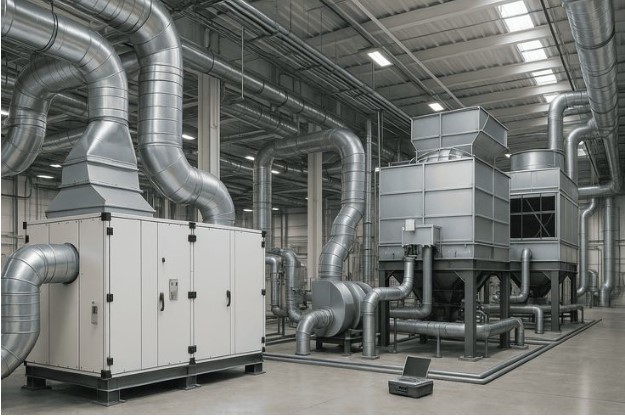

Modern industries rely heavily on processes that turn basic raw materials into valuable outputs. One of the most powerful of these processes is electrolysis. It uses electricity to drive chemical reactions that would not happen on their own. This simple idea has reshaped manufacturing, energy systems, and environmental engineering. From producing metals to generating clean fuels, electrolysis plays a silent but crucial role. As industries move toward cleaner and more efficient technologies, its importance continues to grow rapidly.
Electrolysis In Modern Industry
Electrolysis in modern industry refers to the use of electrical energy to trigger chemical decomposition in substances, usually liquids or molten compounds. It is a controlled process that separates elements from compounds using direct current. In industrial settings, this method is valued for its precision and scalability. Factories depend on it to produce high-purity materials that are difficult to obtain through natural or thermal methods. Electrolysis has become a backbone technology in sectors that require consistency and chemical accuracy.
Industrial Electrolysis In Metal Extraction
Industrial electrolysis in metal extraction is one of the oldest and most important applications of electrolysis. It involves breaking down metal compounds like oxides or salts to obtain pure metals. Aluminum production is a classic example, where electrolysis is used to extract aluminum from bauxite ore. This process requires large amounts of electrical energy but delivers extremely pure metal output. The technique has replaced many traditional smelting methods because it allows better control over purity and reduces contamination risks in the final product.
Electrolysis Applications In Chemical Manufacturing
Electrolysis applications in chemical manufacturing are extensive and highly efficient. In this area, electrolysis is used to produce essential chemicals such as chlorine, hydrogen, and sodium hydroxide. These substances are fundamental building blocks for plastics, detergents, and fertilizers. The chlor-alkali process is a major industrial example, where saltwater is split using electricity. This controlled breakdown ensures consistent production at large scale. The flexibility of electrolysis makes it a preferred method in chemical plants that demand continuous and reliable output.
Electrolysis In Energy Storage And Hydrogen Production
Electrolysis in energy storage and hydrogen production is gaining global attention as industries shift toward clean energy solutions. In this process, water is split into hydrogen and oxygen using electrical energy. The hydrogen produced can be stored and used as a clean fuel source. This makes it an important part of future energy systems, especially for transportation and power generation. When powered by renewable electricity, electrolysis becomes a carbon-free method of producing fuel, making it a key player in sustainable industrial development.
Electrolysis Based Water Treatment Systems
Electrolysis based water treatment systems use electrical reactions to remove contaminants from water. In industrial environments, this method helps in breaking down harmful chemicals and disinfecting wastewater. It is often used in combination with other purification technologies to improve efficiency. The process can eliminate bacteria, heavy metals, and organic pollutants. Because it does not rely heavily on added chemicals, it is considered a cleaner and more controlled method of water treatment in modern facilities.
Conclusion
Electrolysis continues to shape the foundation of modern industrial systems. Its ability to drive essential chemical reactions using electricity makes it both versatile and powerful. From metal extraction to clean fuel production, its applications are expanding as technology evolves. With ongoing improvements in efficiency and sustainability, electrolysis is set to remain a key process in the future of global industry.